
Ceri’s story: Supporting her mum after an Alzheimer’s diagnosis and a £2 million scam
At 59, Ceri’s mum was working as a finance director, driving and managing her day-to-day life independently. To someone who didn’t know her well, there was little to suggest anything was seriously wrong.
However, Ceri and her brother had noticed changes in her behaviour. Her mum was becoming confused about time, sometimes leaving the house in the middle of the night believing she was late for an appointment. After taking her to see a doctor, she was diagnosed with early-onset Alzheimer’s.
Just days after the diagnosis, Ceri discovered something devastating when using her mum’s phone in a café.
Uncovering the scams
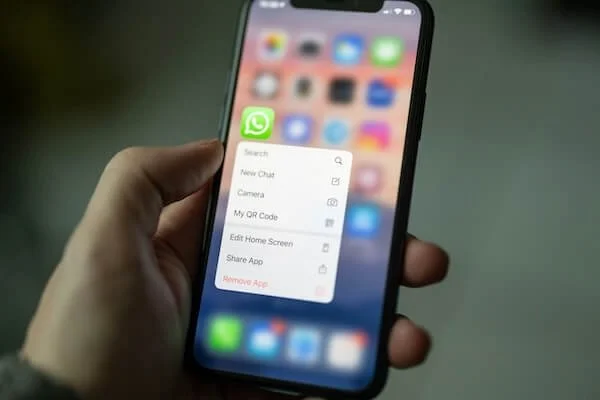
Ceri noticed a WhatsApp message from a contact saved as ‘Manager’. When she opened the conversation, she found a long history of messages asking for screenshots of bank accounts, loans and personal information. Her mum had also sent photos, identification documents and other personal details.
The messages revealed that she had been encouraged to apply for five bank loans totalling approximately £120,000 within a matter of days. There were also suggestions that he was coaching her through the process, including what to say to banks.
After further digging, she found an email exchange with another man who had been presenting himself as a financial professional, with the correspondence stretching back almost two years. Over this time, he had persuaded Ceri’s mum to transfer huge sums of money, sometimes £50,000 at a time, to be supposedly invested in her future.
By the time Ceri and her brother understood the scale of what had happened, more than £2 million had been lost through these repeated transfers and loans.
For Ceri, the number is not the most important part of the story. “I think it’s a shocking amount of money when we say it out loud,” she says. “But actually, it could have been £50 and that’s everything she’s got.”
Her mum is no longer able to work, and the money she had spent decades putting aside to provide security at this stage of her life was gone.
“It’s not about the quantity of money,” Ceri says. “It’s about someone’s life savings and someone’s life just being destroyed.”
How dementia can change financial judgement
For Ceri, one of the hardest things to comprehend was that her mum had always been exceptionally careful with finances.
“She’s worked successfully her whole life,” Ceri says. “She doesn’t spend money.”
This became part of the way that the scammers built trust. They claimed that the money would be invested to help provide financial support for Ceri and her brother in the future, and cover the cost of care for Ceri’s grandmother, who also lives with dementia.
Ceri’s mum’s experience is an important reminder that financial vulnerability is not a reflection of intelligence, or how well someone has historically managed money through their life.
Dementia can affect judgement, decision-making and the ability to recognise risk. These changes can occur gradually, often before the people closest to them fully understand what’s happening.
Trying to put things right

Discovering the scam was only the beginning. Ceri and her brother suddenly had to manage two huge challenges at the same time, supporting their mum after her diagnosis, and dealing with the financial fallout from the scams and loans. That meant hours spent calling banks, repeatedly explaining what had happened, and trying to work out who could help.
Ceri estimates she spent over 100 hours on the phone over the following year, alongside branch visits and complaints processes, all while continuing to support her mum day to day. “It took over our lives.”
Ceri wanted to be able to protect her mum without taking her independence away, which is a dilemma faced by many families affected by dementia.
“She’s strong and independent,” she says. “Just because she’s got a diagnosis on a piece of paper doesn’t change her as a person.”
However, she also knew that allowing unrestricted access to her main finances no longer felt safe.
“I said to the bank, I can’t believe there isn’t a shadow app,” she recalls. “The only option you’re giving me is to delete all of her independence.”
Finding a safer way to spend independently

Ceri later discovered Sibstar. Her mum now uses a Sibstar card for everyday spending, while Ceri can use the Sibstar app to see transactions and put appropriate limits around how much money is available to spend. That visibility gives her reassurance without removing her mum’s independence.
“If I see she’s spending in the village shop, I know she’s at the village shop,” she says. “It’s really good to be able to see where she is and what she’s spending and now she can’t suddenly spend a load of money.”
Importantly, Ceri’s mum can still see her own balance and use her card. “She doesn’t want to feel like she’s got no money.”
That balance is at the heart of why Sibstar exists. Financial safety shouldn’t have to mean removing someone’s independence altogether. The right support can help families put safeguards in place while allowing their loved ones to retain choice, confidence and control for as long as possible.
Ceri’s advice to other families is to act early.
“If one of my friends told me their mum or dad had Alzheimer’s now, I’d say get your Power of Attorney, get your bank account sorted.”
How Sibstar can help
There is no easy way to navigate a dementia diagnosis, but practical support with managing everyday money can give families one less thing to worry about.
Sibstar is a flexible debit card and app designed to help people continue spending independently while giving their family or trusted supporter additional oversight and control.
The Sibstar card is kept separate from the cardholder’s main bank account, so only the money made available on the card can be spent. Through the app, you can set spending limits, receive notifications when the card is used, switch certain types of spending on or off and adjust how much money is available.
For families like Ceri’s, it offers another option between leaving someone financially exposed and taking away their ability to manage everyday spending altogether.
If, like Ceri, you’re looking for a way to help someone you love stay financially safe without removing their independence, find out how Sibstar works here.
You can also hear more of Ceri’s story and watch Jayne Sibley discuss financial scams and protecting vulnerable family members in Sibstar’s recent appearance on BBC One’s Rip Off Britain.
