
Financial scams in the UK: what they are, who's at risk, and what you can do
As seen on BBC One's Rip Off Britain
Watch the full episode on BBC iPlayer here.
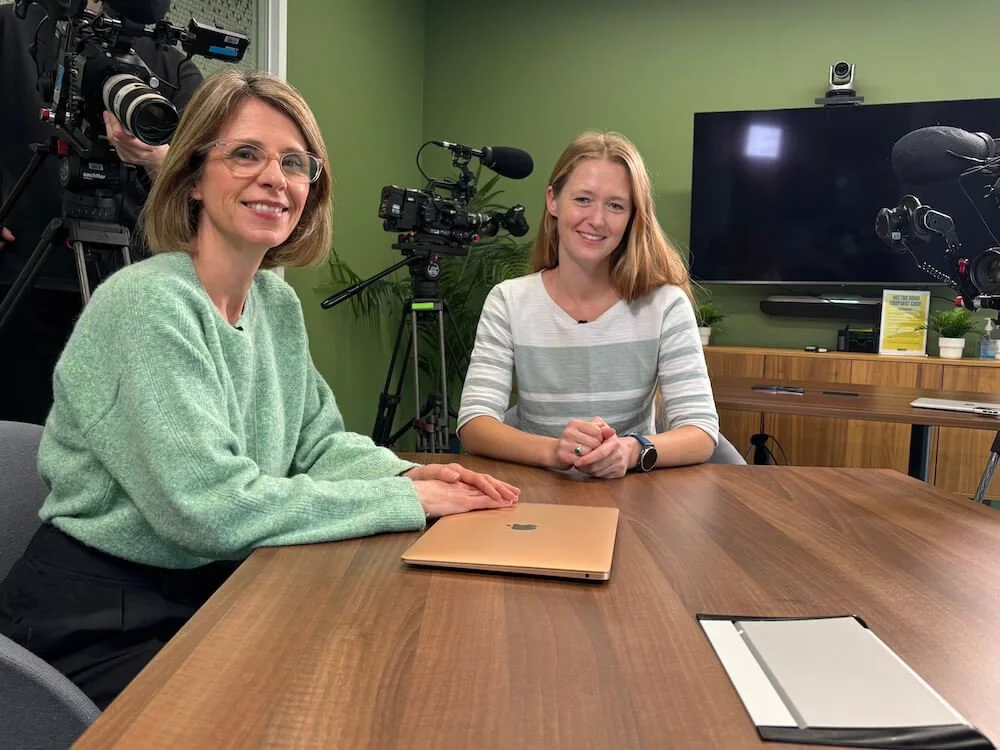
Jayne and Ceri recording for BBC One’s Rip Off Britain
Jayne Sibley, Sibstar's Co-Founder, recently appeared on BBC One's Rip Off Britain to talk about financial scams and what families can actually do when they're worried about someone they love.
The episode centres on Ceri, whose mother was targeted by scammers over nearly two years and lost over £2 million, a life-changing sum of money which left her family reeling. In the episode, Jayne sat down with Ceri to talk through how something like this can happen and explain how Sibstar could help her keep a safe eye on her mum’s spending, without taking away her independence. Ceri’s mother is now a Sibstar customer.
“Speaking with Ceri showed me how much families want to help, but don’t always know where to start. That’s exactly the gap Sibstar wants to fill.” – Jayne Sibley
Although the details differ from family to family, scams and fraud are all too common. If you watched the programme and it made you think about someone in your life, this guide is for you. And if you've not seen the episode yet, everything you need to know is here.
The scale of the problem
Financial fraud is not a fringe issue. It is, by victim count, the most common crime in England and Wales, accounting for more than 40% of all offences recorded.
The latest figures from UK Finance make the scale hard to ignore. In 2025 alone, criminals stole £1.28 billion through payment fraud in the UK, an increase of 4% on the previous year. That's nearly eight cases of fraud every single minute.
Those numbers represent real people. Any, many of them lose not just money but confidence, trust, and, in some cases, independence.
The shame attached to being scammed can be significant. Underreporting is widespread: people don't tell anyone because they're frightened of being judged, or because the person who scammed them was skilled enough to make them feel like they should have known better. They shouldn't. Scammers are professionals. This is their job.
Who scammers target — and why
Anyone can be targeted by a scam. But research consistently shows that certain groups face a higher level of risk. This is not because they're careless or naive, but because scammers deliberately calibrate their approach to exploit specific vulnerabilities.
Older people are disproportionately targeted. According to Age UK, two people aged 65 and over are scammed every minute in England and Wales. Older adults often have more savings, more consistent routines (making them easier to track), and, in many cases, are more likely to trust an unexpected phone call from someone claiming authority.
People living with dementia are particularly at risk. Dementia affects judgement, decision-making, and the ability to detect when something isn't right. A person who would, in another context, immediately recognise a scam phone call may not be able to due to their condition.
People living with mental health conditions, including those with bipolar disorder or high anxiety, can be targeted during episodes when decision-making is affected. Impulsive spending is a recognised feature of some mental health conditions, and scammers exploit those windows deliberately.
People in recovery from gambling, alcohol, or substance addiction are sometimes targeted with offers that specifically mirror the patterns of addictive behaviour. Quick wins, urgency and secrecy are all tactics used by scammers.
What scammers understand, and what most of us underestimate, is that vulnerability isn't a fixed state. It's situational. A stressful week, a bereavement, a health diagnosis, a sleepless night. Any of these can make a person more susceptible to a well-timed approach.
The most common types of financial scam in the UK
Scammers evolve constantly. The tactics change as awareness of old ones grows. But the core categories have remained consistent, so understanding them is a good first step to be able to spot them.
Investment scams
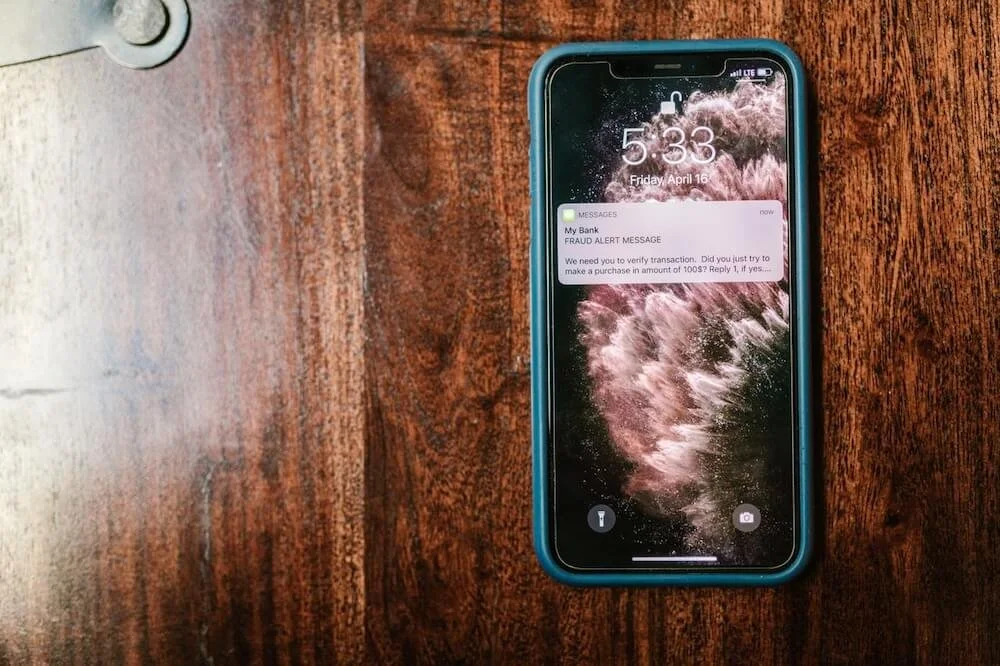
Rip Off Britain highlighted an investment scam. You're offered an investment opportunity with unusually high returns and little apparent risk. The "adviser" may seem professional, the materials convincing, and the testimonials real-sounding. Investment fraud losses in the UK reached £221.5 million in 2025, up 40% in a single year, the highest proportion of losses of any fraud category.
These scams often start small, with a successful first "return" to build trust, before the real ask comes. If someone contacts you out of the blue with an investment opportunity, treat it with extreme caution regardless of how credible they seem.
Unfortunately, this is just one type of scam to be aware of.
Impersonation scams
A caller claims to be from your bank, the police, HMRC, or another trusted institution. They tell you that your account has been compromised, that you're being investigated for fraud, or that your money needs to be moved to a "safe account" immediately. They create urgency and authority. These two things can override our instinct to pause and check.
This is one of the most common types of fraud affecting older people. The important thing to know: no bank, police force, or government body will ever ask you to transfer money to keep it safe. If you receive a call like this, hang up and phone the organisation directly using a number from their official website.
A scammer may also try to impersonate a loved one, friend or neighbour. This could be from an ‘unknown’ number claiming to be someone you’re connected to who has lost their phone and needs help. A request to send funds quickly and urgently usually follows.
As with an impersonation from an institute or organisation, the best thing to do is try to contact the individual you suspect is being impersonated via a number you already have for them.
Purchase scams
You pay for something online such as a product, a service, or a ticket and it never arrives or something else arrives in its place. Purchase scams hit record levels in 2025. They operate across social media marketplaces, second-hand selling platforms, and fake retail websites that can be almost indistinguishable from genuine ones.
The most common trigger: an unusually good deal. If a price seems too good to be true, it very often is.
Romance scams
While romance scams weren't the focus of our Rip Off Britain episode, they're still one of the most common examples of fraud and one of the least reported. A scammer builds a relationship, sometimes over weeks or months, before making a request for money. The requests often start small and escalate. According to the City of London Police, the average loss per victim of romance fraud is £11,222, and almost half of all losses come from people aged 55–74.
Romance fraud is significantly underreported because of the shame associated with having trusted someone who turns out not to be real. It is worth saying plainly: being deceived by a person who invested considerable time and skill in building your trust is not a reflection of you. These are sophisticated, deliberate operations.
Lottery and prize scams
You're told you've won a competition you didn't enter. Before you can receive your winnings, you need to pay a fee for processing, for tax, or legal costs. There are no winnings. The fee is the scam.
These scams are persistent precisely because they work on the same psychological lever as gambling: the possibility of a windfall feels compelling even when we know, rationally, that something doesn't add up.
Doorstep and rogue trader scams
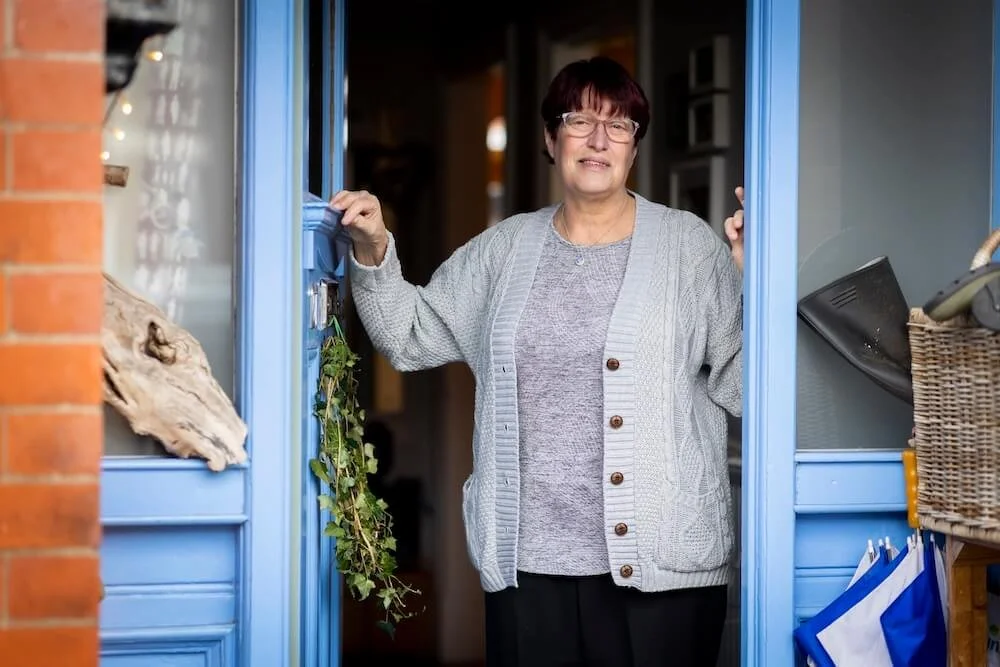
Someone calls at the door offering to do work on your property such as the roof, the drive, the garden. They may say they've spotted a problem while doing work for a neighbour. They ask for payment upfront, often in cash, and either do no work or do damage that costs more to fix than the original job would have.
This is one of the oldest scam types and remains one of the most common, particularly targeting older people who live alone.
What to do if you think someone has been targeted
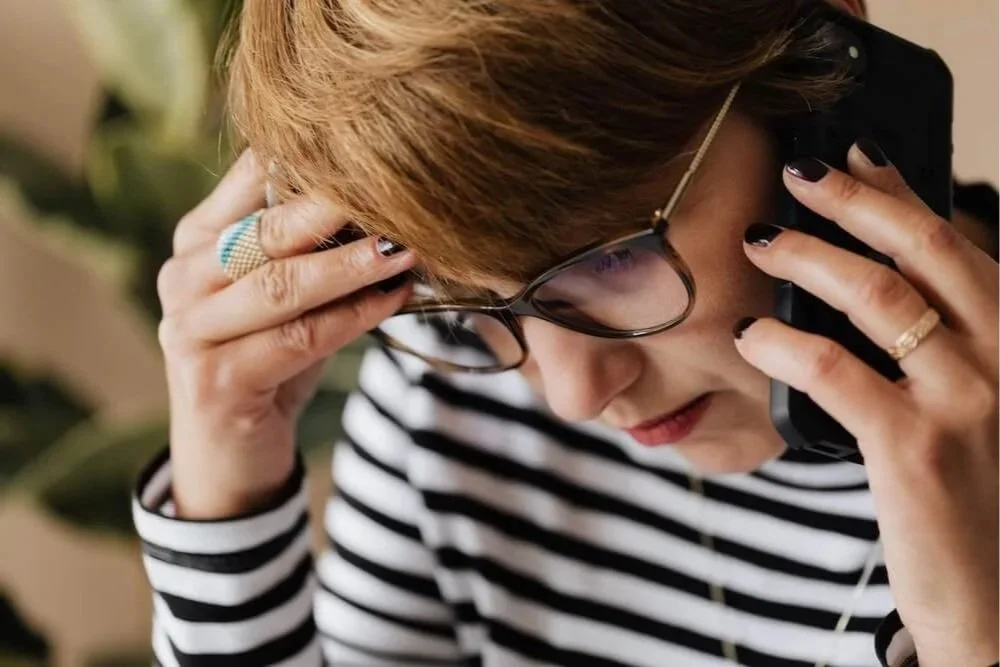
The most important thing first: it’s not your fault. Whatever you're feeling; worry, frustration, guilt that you didn't spot it sooner, the conversation needs to focus on what to do next.
If a scam is in progress or has just happened:
If there's immediate danger or someone is pressuring the person in person, call 999. In the case of suspected romance fraud or other longer-term issues where no-one is in immediate danger, you should call 101, the non-emergency police number.
Call 159. This is a number managed by Stop Scams UK. Dialling 159 and stating the name of your bank will connect you directly and securely to your bank's fraud team. The number is available to customers of more than 99% of UK retail banks, including Barclays, HSBC, Lloyds, NatWest, Santander, Monzo, and Starling. This gives you one number to remember rather than having to hunt for your bank’s details. Critically, 159 cannot be spoofed unlike a normal phone number and you would never get a call from 159. If a scam has happened over the phone (landline or mobile), make sure to hang up properly before dialling 159, or call 159 from another phone line.
Report scams to Action Fraud, the UK's national fraud and cybercrime reporting service, at actionfraud.police.uk or on 0300 123 2040.
Change any passwords that may have been compromised.
If you think someone is being targeted but money hasn't yet been lost:
Talk to them about what’s happened and identify ways to check if it could be a scam together.
Ask them to pause before transferring any money or giving out any information. Urgency is a scammer's tool: any legitimate organisation will be happy to wait while you check.
Help them verify the contact independently. This could include looking up the number or address yourself from an official source, rather than using any details the caller provided.
Consider whether now is a good time to put some practical additional layers of protection in place.
If a scam has happened and money has been lost:
Support the person who has been scammed in reporting it. Many people feel ashamed or embarrassed so helping them at this stage can make a real difference.
Check whether you may be able to get some of the money back through the bank's fraud reimbursement policy. UK banks are now required to reimburse victims of authorised push payment fraud in many circumstances. In 2025, banks reimbursed £354.3 million to APP fraud victims.
Be aware that people who have been scammed once are sometimes targeted again. This can be by the same people posing as "fraud recovery" services. The second scam exploits the first.
Practical protections that don't take away independence
The instinct when someone we care for has been scammed, or is at risk, is often to lock things down. Move the money. Take the card away. Take over.
Removing someone's access to their own money removes their dignity and independence alongside it. That's a significant cost, and it's rarely necessary.
There is a different approach. Below are some of the ways that you can add layers of protection.
Register with the Telephone Preference Service (TPS). This is a free service that can help to reduce (though doesn't eliminate) unsolicited calls.
Sign up to Royal Mail's mail preference service to reduce unsolicited post.
Use AskSilver’s free scam checker. Simply upload an image, share a website link, paste in email, text or document copy, or share a number to check if it looks like a scam. You can use the service via the website or WhatsApp.
Talk to the bank about what protections they can put in place. Some banks now offer vulnerability flags on accounts, which can trigger additional checks before large transfers complete.
Consider a separate spending card with built-in controls. This is what Sibstar offers. The card and the main account are kept separate. Only the amount you choose to load onto the card can ever be spent or lost. You can set daily and monthly limits, switch off online or phone payments, freeze the card instantly, and receive a notification every time it's used, all from the Sibstar mobile app.
The crucial thing about this approach is what it doesn't do. The cardholder still has their own card, in their own name. They can still spend where and when they choose, within limits you agree together. It's a practical reduction in financial risk that keeps the person's independence intact.
A note on the conversation itself
Talking to someone about the risk of financial scams is hard. People can be uncomfortable about talking about money and we live in a society where money management is rarely discussed openly.
Most of the families we speak to tell us they knew something wasn't right well before they acted on it. Not because they didn't care, but because they didn't know how to raise it, or the initial conversation didn’t go well.
There's no perfect script. But we put together a guide to help you start the conversation.
And if you're reading this because you're the one who's been scammed, or you think you might have been, please know that this is not a reflection of you. You were targeted by people whose only job is to deceive you. Help is available and it starts with telling someone you trust.
Sibstar is a debit card and app that helps adults manage everyday spending safely. It was founded by Jayne Sibley, who cared for both her parents as they lived with dementia. If you'd like to find out more, visit https://www.sibstar.co.uk/howitworks
Want to watch the Rip Off Britain episode that featured Jayne? You can find it on BBC iPlayer here.
Sources:
UK Finance Annual Fraud Report 2026 (published June 2026) — ukfinance.org.uk
Age UK Scams Prevention and Support Programme — ageuk.org.uk
Action Fraud — actionfraud.police.uk
City of London Police romance fraud data, 2025
Crime Survey for England and Wales, ONS
