
The Herbert Protocol: what it is, and why it's worth setting up now

If someone you care for is vulnerable, you may be worried about their safety either now or in the future. Will they remember to turn the oven off? Will they be targeted by scammers? What happens if they go missing?
It's not something anyone wants to think about in detail. But addressing these concerns in advance, rather than in the panic of the moment, can help give everyone some peace of mind. The Herbert Protocol is just one of the things that can help you to feel more prepared and in control.
What is the Herbert Protocol?
The Herbert Protocol is a free scheme used by police forces across the UK to help find a vulnerable person quickly if they go missing. It's built around a simple form, completed in advance by the person and their family. The form holds all the details a search team would need to piece together a ‘picture’ of the vulnerable person, so a recent photo, description, the medication they take, important contact numbers, and the places that mean something to them. These might include a childhood street, an old workplace, a café they used to visit every Sunday.
The first hour after someone goes missing really matters. People can travel further and faster than families expect, and they don't always head somewhere obvious. A completed Herbert Protocol form means the police aren't starting from scratch; they already have all the important information.
The protocol is named after George Herbert, a Normandy veteran who lived with dementia in a care home. The scheme was developed by Norfolk Constabulary in 2011 and was initially focused on people living with dementia. The protocol has since expanded to include other adults who may be vulnerable, such as those with learning disabilities, mental health conditions or brain injuries and is used nationally. It is funded and provided free by MedicAlert, the UK's medical ID charity.
Why families put off signing up
Planning for a loved one going missing can feel daunting or even unnecessary. You might feel like it’s not a situation you need to worry about yet. However, acting early when you’re not in crisis mode is easier and means you’re prepared should the situation arise.
It costs nothing, and it takes less time than you might expect.
"I don't want to think about it." This is understandable; it can be scary to consider the ‘what ifs’. But the alternative is trying to remember every detail and find vital information while you're frightened and the clock is ticking. “What’s his GP's number? What’s the name of the road he grew up on? “Do you have a recent photo?” It can be hard to think clearly and answer these questions when you are concerned and just want your loved one home safe.
Filling in the form now, when you're calm and have time to research and check the information, is much easier than trying to recall details when you feel panicked.
"It feels like giving up." It’s not giving up, it’s being prepared. Having a fire extinguisher doesn't mean you expect a fire. Having a Herbert Protocol in place doesn't mean you expect your Mum, Dad or loved one to go missing. It means that if it does happen, you're in the best position to be able to locate them quickly.
"I assume the police already have this information." The police have limited information, unless you've given it to them. The Herbert Protocol exists precisely because that information usually lives only in a family's memory.
How to set up a Herbert Protocol
Setting up a Herbert Protocol is free and straightforward:
Access the form. MedicAlert provides the official Herbert Protocol form and guidance at herbertprotocol.com.
Fill it in together, if you can. The vulnerable person is often the best source for the details that matter most. The places from their past that a family member might not know about, the locations they feel safe, the people they see day to day.
Keep the completed form somewhere accessible. A copy at home, a copy with a family member, and (where the local force supports it) a copy held digitally or with the police in advance.
Keep it updated. Photos age. Routines shift. Medical conditions change. Revisit it every few months, or whenever something meaningful shifts, such as a new medication, a house move, a change in mobility.
The bigger picture: protection isn't just physical

Setting up a Herbert Protocol is part of a wider question every family caring for someone vulnerable has: “How do we keep them safe, without taking away their independence?”
It comes up in the missing-person conversation, but also related to day-to-day activities, including money management. A normal debit card offers no way to set limits, switch off online spending, or get a notification when it's used. Families are often left choosing between full access (and full exposure to loss, scams, or an overspending episode) or removing financial independence altogether. Neither extreme feels right for many families.
This is the gap Sibstar fills. A debit card and app that lets someone keep spending their own money, themselves, safely, with limits and alerts which a family member or friend can set and adjust as things change.
Physical safety and financial safety are two sides of the same worry. It's why we've partnered with MedicAlert this September.
Join us: a free webinar about both sides of protection
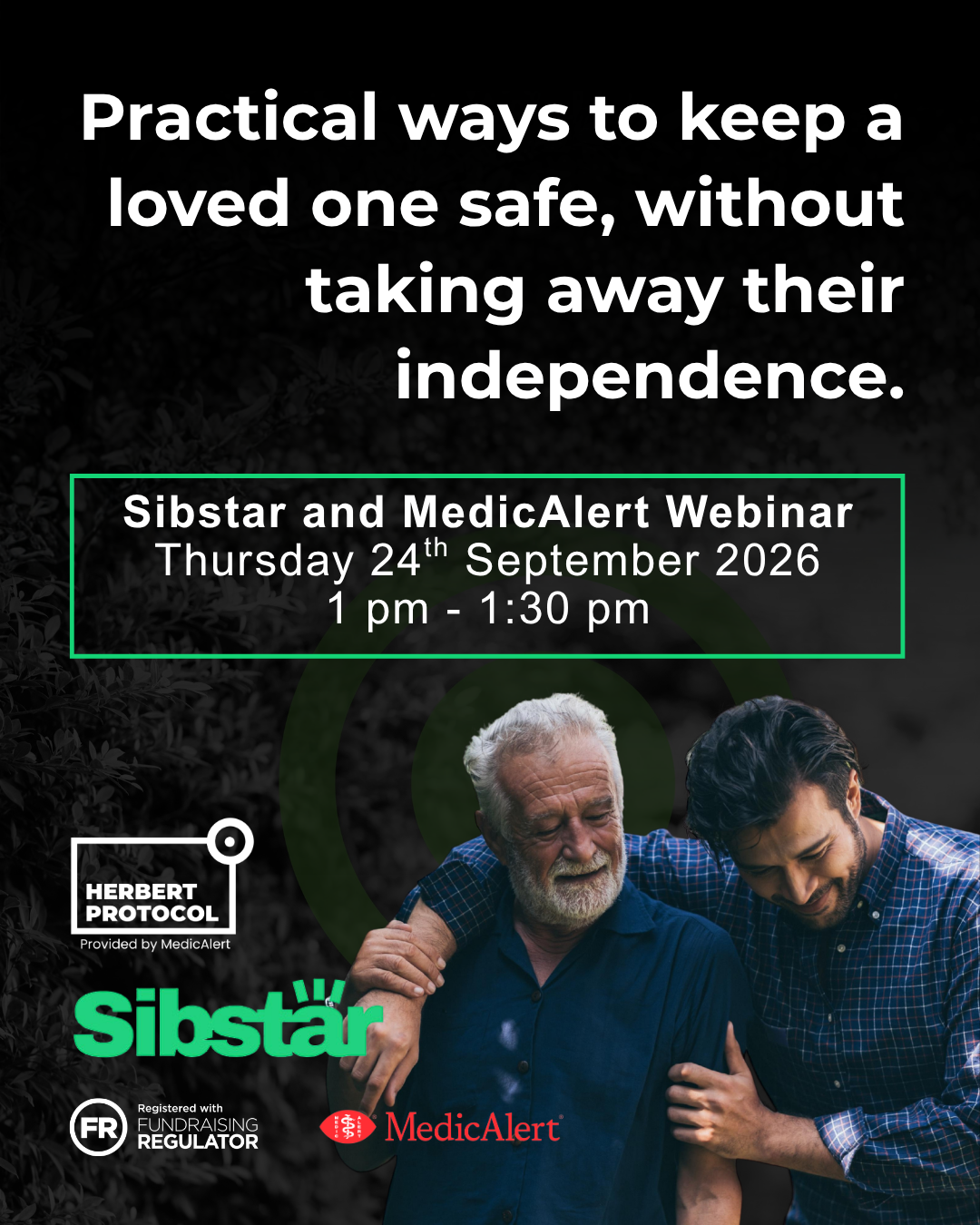
On Thursday 24 September, Sibstar and MedicAlert are running a free joint online session where we’ll discuss how families can protect their loved ones
We’ll be covering the Herbert Protocol in more detail: how to set one up, what to include, and how it works with the police once it's in place. Plus how to support a loved one to spend safely, reduce fraud, overspending and remain financially independent through products like Sibstar
If you're supporting someone vulnerable, this session is for you.
This article is for general information and isn't a substitute for advice from the police, your local safeguarding team, or a medical professional. For the official Herbert Protocol form and guidance, visit MedicAlert.
